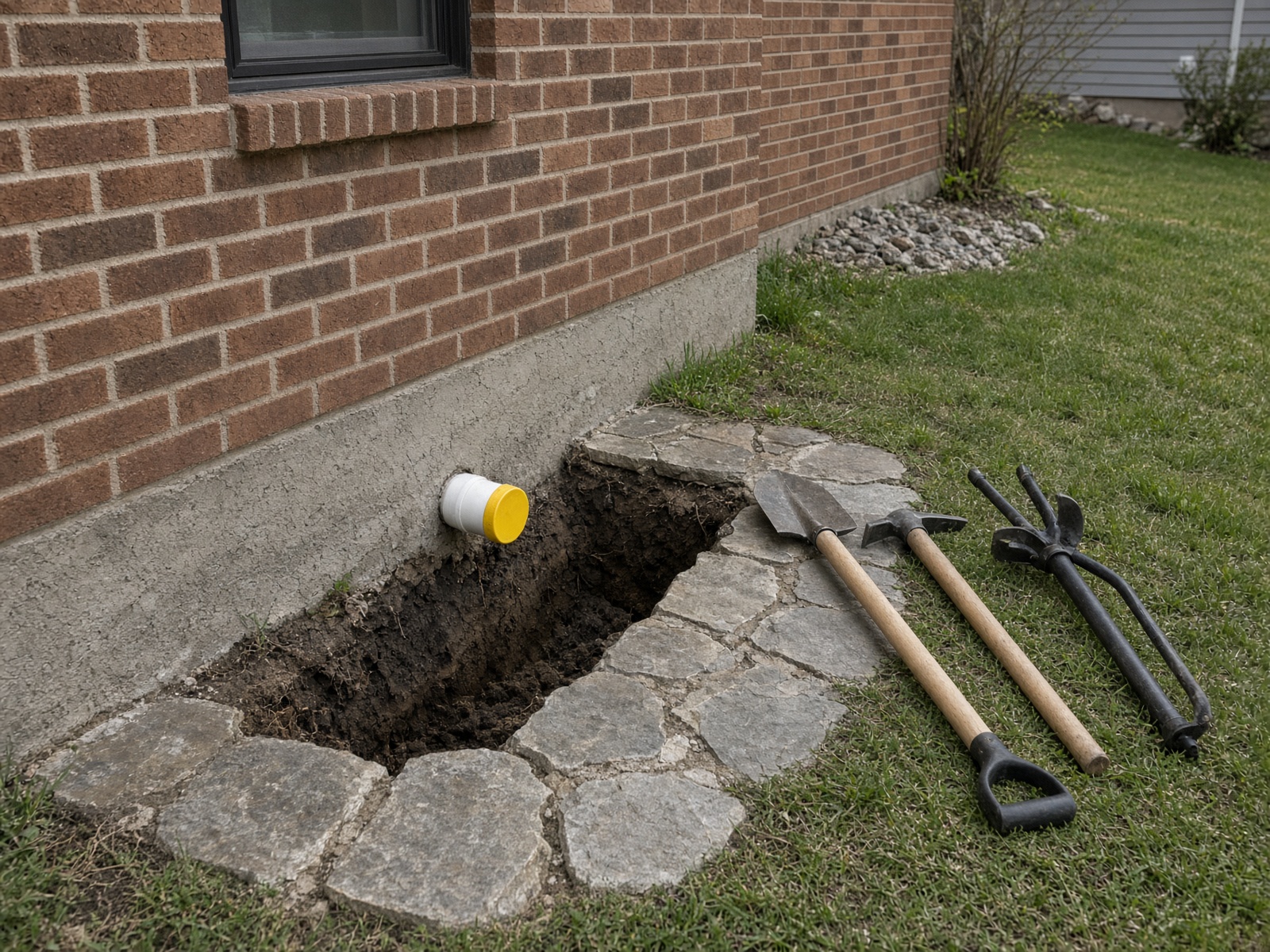
Sewer work is where homeowners get stampeded. We won’t. You get video of the defect, a sketch of where it sits on your lot, and two or three real options: a spot repair, a liner, or a replacement — with what each one does in this soil and this climate.
What we see on the Front Range
- Clay bells pulled apart by expanding soils
- Orangeburg that’s gone oval and paper-thin
- Cast iron rotting at the interior stack before the yard line
- Roots at the tap, especially near older alleys and cottonwoods
Lining isn’t always the win
Cured-in-place lining is excellent on a mostly round clay run with joint offsets. It is a bad bet on a line that’s already collapsed or belly-full of standing water. We’ll say so. When a dig is shorter and more honest, we dig. When lining saves your flagstone and still gives you a 50-year pipe, we line.
After the flood years
Homes that took on water in 2013 and 2022 often have laterals that were never re-checked. If you’ve had repeat backups, a camera now is cheaper than another finished-basement claim. We came out of that flood work. We still treat sewer like the backbone of the house, not an upsell.
- Camera before a shovel hits dirt
- Lining vs. dig, explained in cost and lifespan
- City tap and permit handled